
Progressives and Iowa Food Prices
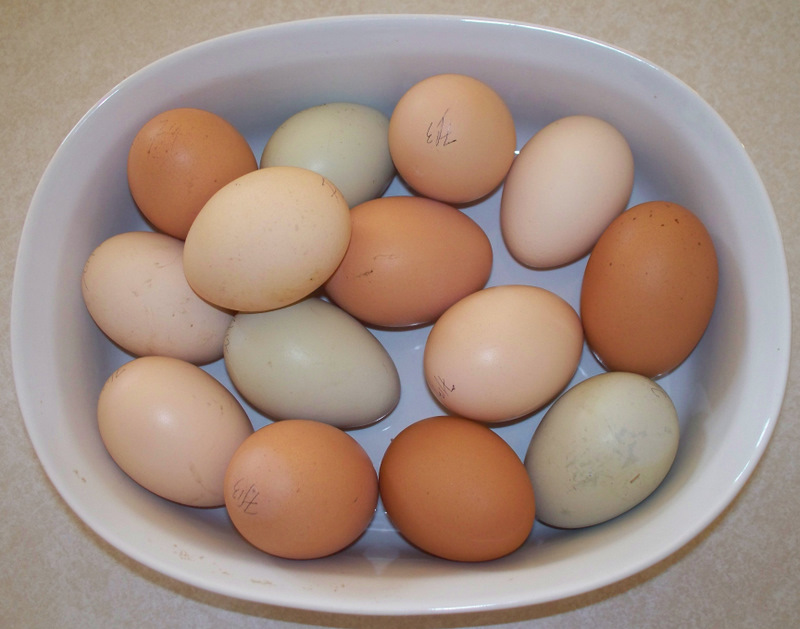 by Paul Deaton
[Editor's Note: This is first in a series of articles about food and food pricing].
Why would a lime would cost $0.69 in one store and $0.44 in another five miles away, a 57% percent pricing difference? Same with bananas at $0.54 per pound in one store and $0.99 within a two mile radius. Food pricing seems the work of unseen minions of the industrial food supply chain, something over which we have little influence. Iowans accept that there is an increasing cost for food we buy. With the abundance to be found on grocery store shelves, the idea of staging a food riot or running out of food is beyond the ken. This is the first in a series of articles about food pricing in Iowa from a progressive perspective.
To frame the discussion, I picked ten items and went shopping in five local food stores to document the price differences and experience the context in which pricing occurred. The grocery stores were, John's Grocery in Iowa City, a family business since 1948, Sam's Main Street Market in Solon (owned by my next door neighbor), Hy Vee, an Iowa based, employee owned Midwestern grocery chain, New Pioneer Food Coop, a member owned specialty grocery store and a Wal-Mart Supercenter.
The ten items in my shopping comparison were a gallon of fat free skim milk, a pound each of butter, bananas and yellow onion, a 2 pound bag of light brown sugar, a small box of baking soda, a lime, a bag of veggie burger crumbles, two 15 ounce cans of dark red kidney beans (without high fructose corn syrup) and a 6 ounce can of tomato paste. By far, Wal-Mart was the least expensive shopping experience. On average, the premium to shop at any other grocery store was 31.5% on the ten items and as high as 43.1% at John's Grocery. This was not a surprise.
Why these ten items? Five of them, the onion, tomato paste, kidney beans, veggie burger crumbles and lime are frequently used staples in our kitchen and ingredients to make vegetarian chili. Why chili? To give the articles a specific and personal story. For my chili recipe, salt, home canned organic diced tomatoes, home-made soup stock and a personal blend of chili powder are almost always in the pantry so I rarely shop for them. Our shopping choices and preparation methods influence the cost of our food, so understanding the specific context in which shopping takes place is important. Most people purchase some of what we eat from others and eating chili is ubiquitous.
The other five items are common dairy products (butter and milk), a sweetener (brown sugar), a common fruit (bananas) and a multipurpose household chemical of which we use large quantities and had run out (baking soda). The items in this shopping survey were a small subset of what is available and not intended to reflect a scientific choice.
A significant part of the shopping experience is store layout and item availability. The greatest difficulty in finding comparable items was at the New Pioneer Food Coop, which is more of a specialty store in its 21st century permutation than a full service grocery store. When organic was the only choice on an item, I bought organic (tomato paste and bananas). Note that the 6 ounce can of Muir Glen Organic tomato paste (the only choice at New Pioneer for $1.49) was priced 55% higher than the identical item at Wal-Mart ($0.96).
What does this have to do with the progressive community? We all have to eat, and as the survey shows, Wal-Mart is the dominant player from a pricing perspective. Some progressives object to shopping at Wal-Mart and critics point to concerns that the company's 2.1 million workers are treated unfairly and Wal-Mart uses predatory pricing to gain market share and drive operations like John's Grocery out of business. In a society with increased financial pressure on households and less money to spend, a store like Wal-Mart becomes more attractive for its low prices, despite progressive concerns.
In a time of global food shortages, prices have increased dramatically. In some parts of the world, higher prices and shortages have caused “food riots.” The social unrest in Egypt was partly attributable to higher food costs. How could progressives not be concerned about how food is priced? During the coming weeks, we will explore food pricing in Iowa, so stay tuned.
 Blog For Iowa