
HF 2100: The Risks of Nuclear Power Belong to Iowans
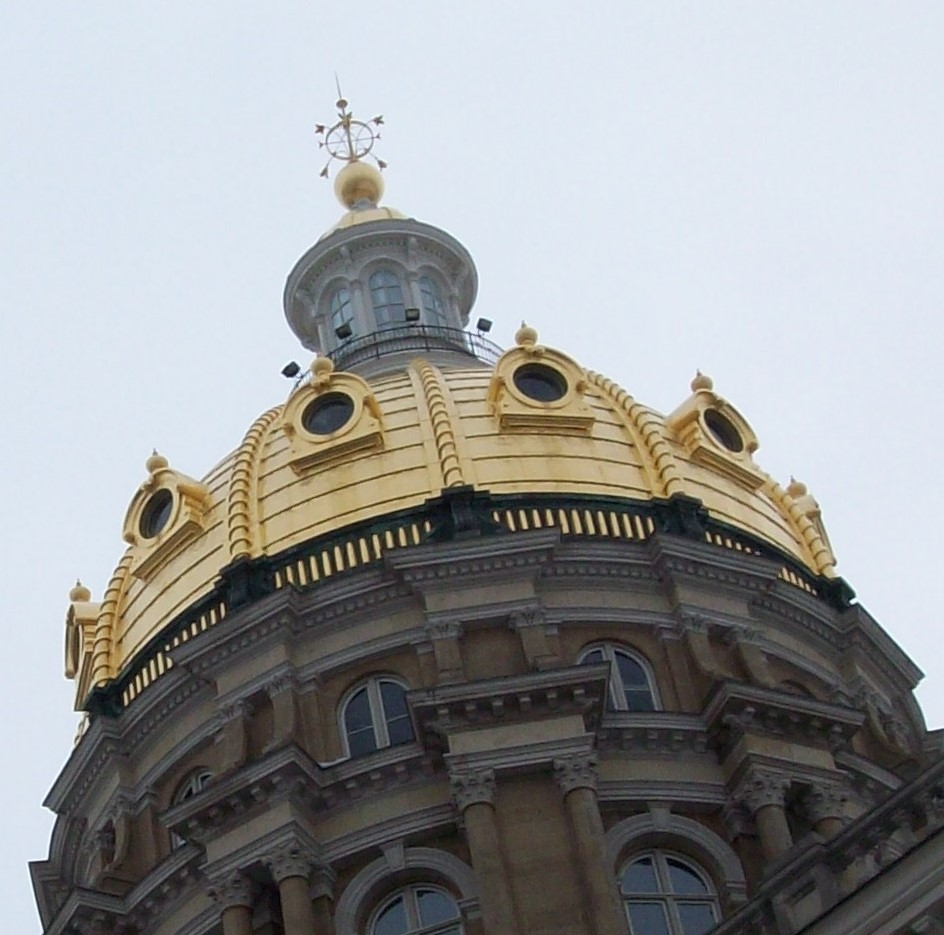 by Paul Deaton
“
Who pays for the real possibility of failure or cost overruns? The answer is you, me and every utility customer.”The last electrical utility bill we received at our house was unexpectedly high. No doubt this is due to my recent retirement, more computer time, more cooking on our electric range and keeping more lights on in the early hours of morning. Even though the bill was double what we expected, we could afford it. The cost of electricity on the power bill is cheap.
We are customers of a Rural Electric Cooperative and it is hard to say where the electricity comes from. When a substation in Ohio went out last year, our lights went out. I suspect that the fuels that generate our electricity are a mix of mostly coal with some natural gas, nuclear fission and wind. The electric utilities are reasonably reliable in providing the service, so we don’t think much about electricity or where it comes from. Maybe we should.
The Iowa legislature is considering HF 2100 which in its current version contains language that would provide incentives to electric utilities (Section 1, Paragraph 5) to build nuclear power plants in Iowa. The incentives would enable them to recover their costs in the event a nuclear power plant was designed, partially built, was litigated against and/or the plant did not go on line. There
is significant risk in building the first nuclear power generating
plant approved since the 1970s and the Iowa legislature is, in the
language of HF2100, removing the financial risks from the
electric utility who might build a nuclear reactor in Iowa. Who pays
for the real possibility of failure or cost overruns? The answer is
you, me and every utility customer.
In any business venture, the business owner takes risks in going to market and the customer pays for the product or service and everything involved with developing it. According to the U. S. Energy Information Agency, “there has been no new order for a nuclear power plant since the 1970s. The last nuclear plant to be completed went on line in 1996. A few, perhaps four, construction licenses are still valid or are being renewed for half-completed reactors, but there are no active plans to finish these reactors.” The trouble with nuclear reactors is that the risk of failure or of cost overruns for a new plant is too high. That's why electric utilities in Iowa want the incentives in HF2100. That's also why Iowans should be concerned with the legislation.
The Iowa Association of Electric Cooperatives has registered for the bill on the lobbyist web site. If I was an electric utility and could avoid the financial risk of my nuclear power generating plant not getting finished, running over on costs, or facing litigation from any source, I would favor the bill too. It would be a sweetheart deal.
While the powerful interests in Des Moines influence the legislation that is considered, the role of the legislature should be to consider a bigger picture of achieving energy independence for Iowa with an electrical utility system structured to meet the needs of Iowans in terms of risk, costs and the environment. I
am a citizen who buys the electricity for my home and have to rely on
the Iowa Utilities Board and the legislature to protect my interests. This may be too much to ask.
As an alternative, let’s hope HF2100 does not make it out of the Commerce Committee through the funnel until all of the risks and costs are better understood. I urge you to contact your elected officials and tell them as much.
Here is a
linkto find your legislator. Please let them know how you feel about HF2100.
~Paul Deaton is a native Iowan living in rural Johnson County.
Checkout his blog, Big Grove Garden.
E-mail Paul Deaton
 Blog For Iowa