
This is the beginning of the final push toward the general election, with 37 days to go. Democratic victories are in the air, and the scent is intoxicating. But we can’t get drunk on victory until it actually materializes. Keep doing what you can to encourage friends and neighbors to vote.
In the meanwhile, there is important, non-election stuff to work on. Specifically, the Environmental Protection Agency and U.S. Army Corps of Engineers have called for rule making to change how WOTUS (waters of the United States) is defined in the Clean Water Act. On Sept. 4, EPA posted notice of proposed rule making, and opened comments until Oct. 9. Rules aren’t decided, yet it is expected “intermittent waters” will change jurisdiction from federal to state and Tribal authorities. The Isaak Walton League has a direct action campaign regarding comments here.
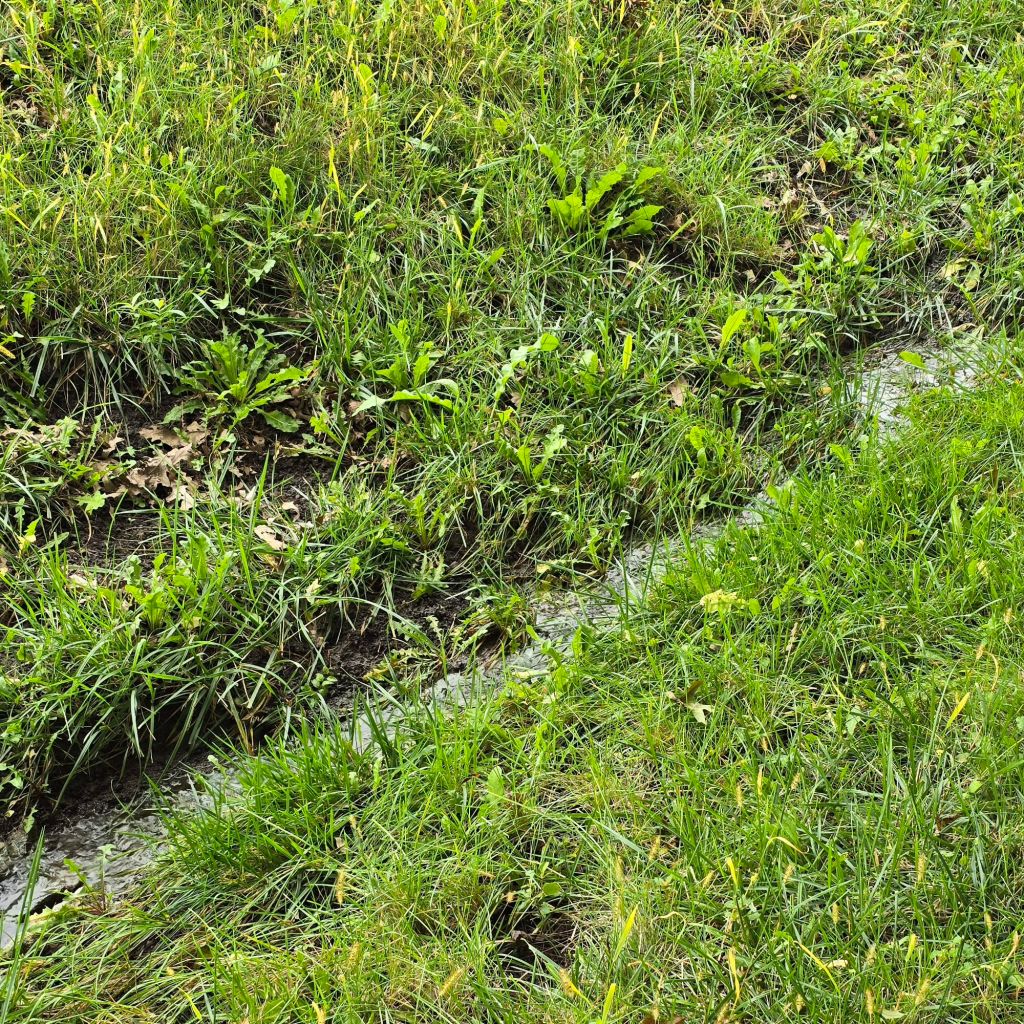
The phrase “intermittent stream” seems self-explanatory. Importantly, such waterways are not necessarily insignificant. They may be dry for weeks or months and then carry a large volume of water during a storm. When that happens, it can transport nitrogen, phosphorus, sediment, bacteria and other pollutants downstream into larger tributaries and rivers. Transferring regulatory jurisdiction from Washington, D.C. to Iowa does not resolve that issue.
Senator Joni Ernst has been arguing for years that the federal government went too far in defining WOTUS in the Clean Water Act. She constantly focused on giving farmers, ranchers, and landowners more certainty about federal regulation of small streams, drainage, and other waters that may flow only intermittently or after rainfall.
Ernst favored narrowing the definition of federally protected waters and returning greater authority to the states, which aligns with this proposed rule change. The proposal as written could exclude most intermittent streams from federal jurisdiction.
I understand the desire among farmers, ranchers, and landowners for more regulatory certainty. The question raised by the rule making over whether intermittent streams and waterways are primarily local issues seems a legitimate one.
Yet another question deserves equal attention: What would happen if federal jurisdiction ends?
The answer offered by supporters of the change is that states and tribal authorities will have greater responsibility for protecting these waters. Everyone who believes Iowa would do a good job of that, stand on your head. Transferring jurisdiction is not the same as transferring the capacity to regulate, monitor, and enforce.
Iowa already has a water quality problem. Nitrogen and phosphorus from agricultural land enter streams and rivers in the state. Concentrated animal feeding operations present another potential source of water pollution. Iowa has made investments in conservation and nutrient reduction, but its water quality agencies can only do so much.
Iowa DNR acknowledges on its website that the number of water quality assessments it can conduct is limited by budgets and staffing. If intermittent streams are added to Iowa’s regulatory workload, how will standards be enforced?
Iowa has a history with EPA, which previously identified deficiencies in Iowa’s administration of its federal concentrated animal feeding operation permitting program, including problems involving identification of facilities requiring permits and enforcement. While the state worked with EPA to correct the problems, that history does not mean Iowa’s present program is capable of adding new responsibilities without additional resources. It does mean that compliance with federal standards for water quality should not simply be assumed.
A key question in this rule making is whether someone will have the authority, resources and responsibility to protect intermittent streams and the downstream waters to which they are connected. How will EPA demonstrate that Iowa has the legal authority, monitoring capacity, staffing, and enforcement resources needed to regulate waters transferred from federal jurisdiction?
The question Iowa should be asking as this proposed change moves forward is how will the state protect our waters? Comments remain open until October 9.

