
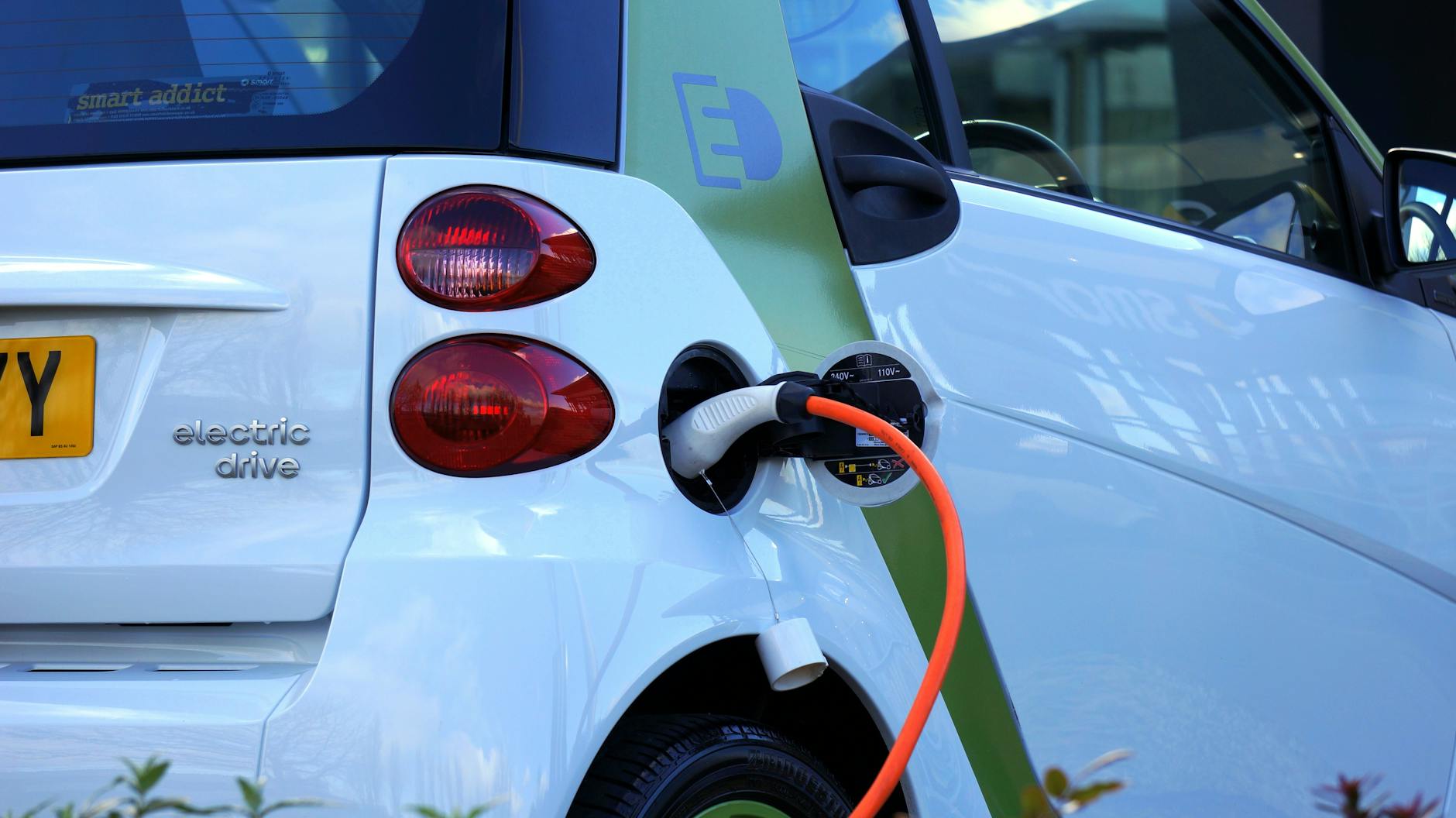
Moving the automotive economy toward electric vehicles is a good thing for multiple reasons. An important benefit is to decrease reliance on burning stuff in an internal combustion engine. In the late 19th Century, Rudolph Diesel invented an engine that could burn almost any liquid fuel, including whale oil, tallow, paraffin oil, naphtha, shale oil, and peanut oil. Despite the initial available diversity, the economy followed a track to perfect the gasoline engine and use it for transportation. To a large extent, that’s where we are now, with Diesel’s namesake fuel relegated to trains, buses, heavy trucks, boats, and power generators.
In 2022, we needed a new car and could not confirm a delivery date on available electric vehicle models. They were in high demand and manufacturing could not keep up. We ended up with a three year old used car that got 38 miles per gallon of gasoline. In addition to supply falling short of demand, there are other problems with electric vehicles.
Electric vehicles reduce emissions and are often much kinder to our planet than gasoline and diesel alternatives. Those are positive attributes. The world is not ready for EVs and people experience barriers to using them in the form of charging station infrastructure, insurance, and affordability, in addition to the ability to timely buy one. The federal government has begun to create an environment for the advancement of EVs and Republicans are fighting it tooth and nail.
The latest conflict between doing what’s right for a majority of U.S. citizens, and Republican support for the fossil fuel industry, occurred after March 20, when the U.S. Environmental Protection Agency released a new tailpipe rule on vehicle emissions. “Joe Biden has launched a relentless onslaught of regulations infringing on American consumer freedom,” Congresswoman Mariannette Miller-Meeks wrote in her weekly newsletter. She decried that the administration’s “heavy-handed mandate forces American automakers to prioritize electric vehicle (EV) production and sales.” Well, yeah. That’s the point, along with preserving a livable world. The member of congress failed to mention all the positive things the president is doing to make EVs affordable for consumers.
The decision to EV or not to EV is not the choice of a single consumer. As individuals we have rights, yet the government must not leave the choice of whether we have a livable world in the hands of personal choice. To move the ball where it is needed regarding EVs, the government can and should be involved in nudging industry and consumers to move toward them. Under Biden, government accepted this role. The scale at which the administration proposes to increase EVs as a percentage of the global fleet is staggering. It is also what is needed to address the climate crisis.
My choice would be to use public transportation for every thing. As long as I have to drive because I live in the country, I expect to eventually convert to an EV and learn to love it. We must support the administration as we can, perfect what is flawed about their approach, and never lose sight of the big picture of slowing the greenhouse effect so we can maintain a livable world. In our current political situation, that means electing Democrats.
 Blog For Iowa