
 Slavery and Jim Crow discrimination cast a long shadow on American society. Racial hatred remains a potent force in our society, as a recent horrific event reminds us. On June 17, a white gunman massacred nine blacks in a Charleston church. Dylann Roof, the alleged assassin, reportedly wanted to start a race war. He posed with the Confederate flag in photos posted on a website that espouses white supremacy.
Many Americans, including those grieving the loss of loved ones, pointed to the flag as emblematic of Roof’s hatred and racism. They called for its removal from the statehouse grounds in Charleston, the state capital and birthplace of the Confederacy. Defenders of the flag see it as merely a symbol of Southern heritage and states’ rights detached from slavery and Jim Crow.
The Confederate flag ranks as one of America’s most divisive but enduring symbols. Most applauded when the South Carolina legislature voted quickly and decisively to bring it down. Yet, heated debate over the banner lit up the Internet. Confederate flags sold out online. Several large retailers like Amazon and Walmart reacted by announcing they will no longer sell Confederate flag emblazoned merchandize.
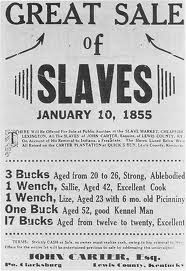
Flags are important symbols because they signify allegiance—in this case, to a rebellion that sought the unimpeded right to buy and sell human beings and brutally compel their unpaid labor. The history of the Confederate flag shows that it represents white supremacy, treason, and a repudiation of the post-Civil War goal of creating an interracial democracy. A look at the declarations of secession conventions, newspaper editorials, and political speeches makes clear that southern leaders seceded and went to war to protect slavery and pacify fears of racial equality.
South Carolina’s leaders first flew the Confederate flag over the statehouse dome in 1961 to mark the 100th anniversary of the Civil War. It remained there to represent official opposition to the civil rights movement. This changed dramatically after June 17 as more Southern states removed their Confederate flags. It appears that the Confederate flag may soon be gone with the wind.
Yet both racial justice and free speech will continue to spark controversy. Government speech and private speech are not the same. The First Amendment guarantees an individual’s liberty to speak unrestrained by government. When South Carolina’s government leaders voted to no longer fly the Confederate flag, the decision reflects the view of the people’s representatives. One can still protest the decision, but the state changed direction by not putting its support behind a symbol of oppression and inequality.
Dispelling our legacy of violent racism requires more than taking down a flag. The murders of blacks by white supremacists are only the most sensational manifestations of American society’s enduring fear and mistrust of black people. As we’ve seen in recent months, there are police departments that treat African-American communities as occupied territory and young black men, especially, as guilty by default. It’s like Jim Crow: Keep the black people in their place. At another level, purging voting lists often means making it more difficult for blacks and the poor to participate in elections.
The Confederacy is more than a flag, more than a region, more than southern nostalgia about the Lost Cause. The Confederacy has endured for a century and a half after the war ended as a state of mind that encompasses white supremacy, black subjugation, unrestricted gun rights, and defiance of the legitimacy of the federal government.
As states and municipalities remove the Confederate flags and put them in appropriate museums, they should raise the ideals of liberty and equal rights. The related issues of institutional racism and gun control also need to be addressed.
Ralph Scharnau teaches U.S. history at Northeast Iowa Community College, Peosta. He holds a Ph.D. from Northern Illinois University. His publications include articles on labor history in Iowa and Dubuque. Scharnau, a peace and justice activist, writes monthly op-ed columns for the Dubuque Telegraph Herald.
 Blog For Iowa