
What Iowans are Hearing about Mexico
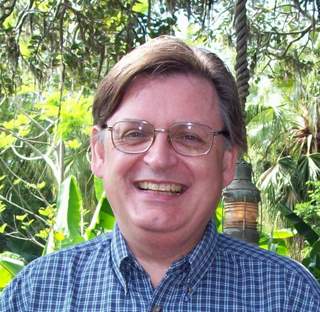 by Paul Deaton
“What is relevant to the Merida
by Paul Deaton
“What is relevant to the Meridainitiative was his description of life in Juarez when he drove there in
his personal automobile. It is a place where a person must “pay” to be
out on the streets after dark.”
Living in Iowa, we are close enough to Mexico to experience accounts of what life is like, even if we never travel there. In the corporate media we see and hear depictions of the border fights leaving people dead in disputes over the drug trade. We also see pictures of an endless stream of people crossing the Sonora Desert to seek residency in the United States.
On Tuesday, Secretary of State Hillary Clinton led a delegation to Mexico City for the second formal meeting of the Merida U.S.-Mexico High Level Consultative Group (Merida). Merida is a multi-year program intended to demonstrate the United States' commitment to work in partnership with governments in Mexico and other nations to confront criminal organizations whose illicit actions undermine public safety, erode the rule of law, and threaten the national security of the United States.
In a story published by Business Week on Wednesday, Viola Gienger said, “the urgency of dealing with violence in Mexico, where 2,213 drug-connected deaths have been recorded since the start of the year according to El Universal newspaper, was heightened for the U.S. on March 13 when gunmen killed three people connected to the U.S. consulate in Ciudad Juarez across the border from El Paso, Texas.” Anyone familiar with the culture of Mexican border towns knows what a struggle the Merida initiative will be.
When our daughter moved to Florida, I drove down with her and cashed in some of my frequent flyer miles to fly home to Iowa. It was on the first leg of that flight back that I started to learn about Mexico and the challenges related to a crackdown on illegal activity.
We were seated on a wide body aircraft. I had the aisle and to my left was a couple from New Mexico who had just been on a cruise and was heading home. The man sat next to me and was quite talkative. When traveling on commercial airlines we know there is no hope of rest when we sit next to such a talker. He spent a good portion of the trip to American Airline’s Dallas hub talking about how to get a deal on a cruise, and on how many cruises he and his now silent girlfriend had been.
He talked about the exploits of New Mexico Governor Bill Richardson while visiting southeast New Mexico and about halfway through the flight we started talking about his challenges with being a pecan grower. I had lived in South Georgia’s pecan growing region for several months in the 1980s, so we had some common interests, at least enough for airplane talk. In order to get the lowest cost for shelling his pecans, he shipped them to nearby Juarez, across the border from El Paso. The trouble was that he could not legally label his nuts as “Product of the USA” after processing them in Juarez. He was seeking relief from the U.S. Government and had filed a lawsuit. Did I mention he was quite a talker?
What is relevant to the Merida initiative was his description of life in Juarez when he drove there in his personal automobile. It is a place where a person must “pay” to be out on the streets after dark. That is, the police must be bribed a small amount, say $5.00, for permission to be out and about. He said that the first bribe occurs around 8:00 PM with instructions that if a person were still out at 11:00 PM, another payment would be due. He was out past 11:00 PM once and he said that he had already paid. The police office chastised him saying “come on, you know he told you there would be another payment after 11:00 PM.” My neighbor paid the second bribe. The reason he was stopped was because of his New Mexico license plates and the fact that he was Hispanic. There is resentment towards those who leave Mexico to seek life in the United States. Had it been an Anglo driving the car, it would likely not have been stopped.
Our conversation continued with descriptions of his plantation and the need to keep a significant quantity of firearms to protect him from Mexican bandits. He also said that the drug cartels had invested some $60 million in bribes and payoffs to the Mexican government. The bribes were paid so that drugs would be kept illegal because if drugs were legalized, it would cut into the drug cartel’s profits. It was quite a story, and what came across to me was that the culture of illicit activity, bribery and corruption was so endemic that the idea that it could be addressed seemed unrealistic.
I don’t know about you, but I respect the work Secretary Clinton is doing. As part of the Obama administration, she is addressing the toughest issues in international diplomacy. Based on what Iowans hear about Mexico, it may be one of her biggest challenges. The road will be long and the status quo a formidable adversary. We should give her our support.
~Paul
Deaton is a native Iowan living in rural Johnson County and weekend
editor of Blog for Iowa. He is also a member of Iowa Physicians for
Social Responsibility and Veterans for Peace. E-mail Paul
Deaton
 Blog For Iowa