
Jennifer Rubin’s January 22 opinion piece in the Washington Post makes a great point about the relationship between opinion polls and media. Not in the sense of the media going overboard on their coverage of polls, which they do, but that journalists and pundits don’t take it upon themselves to consider that polling outcomes may be a reflection of what is being talked about in the mass media.
Reporting of public opinion polls typically does not take into account the coinciding news coverage as possibly causal or at least influential. Our media is not exactly known for being self-reflective, accurate, unbiased, or particularly thoughtful in the Trump/post-Trump era that we are in. As we’ve written about here on BFIA, they have a tendency to stick with the narrative that everyone else is repeating. It’s like groupthink. Also, we have the problem of corporate ownership of the news, newspaper mergers, right wing propaganda companies such as Sinclair Broadcasting and Fox, making things even worse.
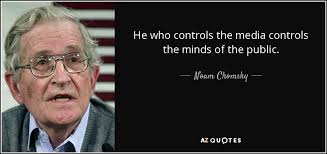
Noam Chomsky famously said “He who controls the mass media controls the minds of the public.”
Here is an excerpt of the article and I’ve included a gift link here.
About time: The Economic Narrative Shifts
by Jennifer Rubin
For months now, the economy has been much stronger than political coverage — and therefore, public polling — has suggested. And though it wasn’t only in the past few weeks that 14 million jobs were created, inflation dropped below 4 percent and wages exceeded inflation, the coverage of the economy certainly has shifted quickly and dramatically.
Each bit of news is reported as confirmation that finally the economic outlook has brightened. “Americans are rapidly becoming much more upbeat about the economy,” the Wall Street Journal reported last week. “Consumer sentiment surged 29% since November, the biggest two-month increase since 1991, the University of Michigan said Friday, adding to gauges showing improving moods.” Hmm, that suggests for several months now the media continued to paint a dreary picture of the national mood when, in fact, consumers were feeling something quite different. Apparently, ordinary Americans clued in to the real state of the economy far sooner than the many in the media did.
If the economy remains the most important factor in the presidential election, as it traditionally has, then the president who can claim robust job gains, lower inflation and gas prices, major high-tech and infrastructure investment, and rising stock prices and consumer sentiment might be in a better position for reelection than many pundits predicted. Get ready for the “Biden comeback” stories.
Sharing the full story as a gift article no subscription needed
 Blog For Iowa